Why “Unlimited Revisions” Usually Isn’t (Marketplace Fine Print, Explained)

“Unlimited revisions” is one of the most common promises on freelance marketplaces and agency pricing pages. It is also one of the least examined. Nobody offers unlimited work for a fixed fee, so the limit is somewhere — it is just written further down the page.
The five clauses that cap the uncapped
1. A revision is defined narrowly. Colour changes, text swaps and small moves count. Anything that alters layout, structure or direction is “a new concept” and billed separately. The word doing the work is revision, and it has been defined to mean tweak.
2. It applies only within the original brief. Perfectly reasonable in principle. In practice, briefs written before design starts are always incomplete, so most meaningful feedback lands outside them.
3. There is a time limit. Unlimited, for fourteen days. After that, revisions are hourly.
4. It is stage-locked. Once you approve a stage you cannot revisit it. Approve the homepage on a Monday, realise on Thursday it does not work — that is a new job.
5. It is per concept, not per project. You get one direction, refined indefinitely. Asking for a different direction is a new purchase.
Why unlimited is a warning sign rather than a perk
A team offering unlimited revisions is pricing in the possibility of endless back-and-forth. That premium is in your quote whether you use it or not. Worse, it removes the incentive to get the brief right at the start, because rework is expected rather than avoided. The projects that go badly are almost never the ones that ran out of revisions — they are the ones that never established what the page had to achieve.
There is also a quieter problem. Unlimited rounds turn design into an opinion contest. Without a defined number of passes, nobody has to make a decision, and the version that ships is usually the most compromised one rather than the most effective one.
What a fair policy looks like
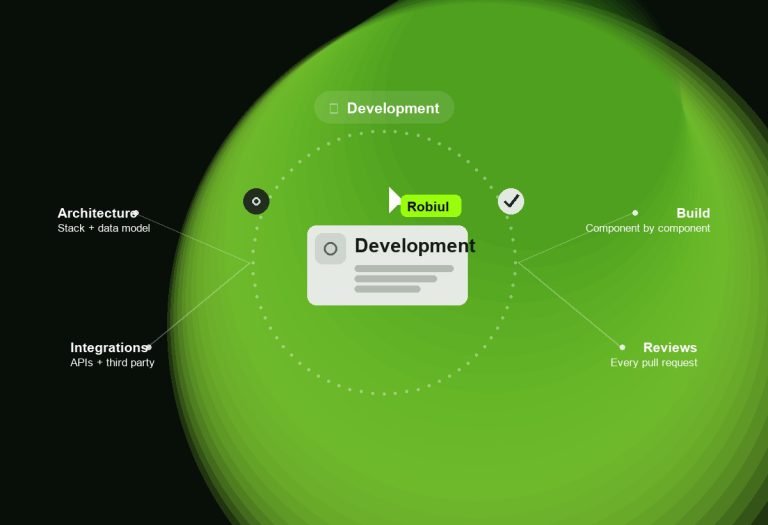
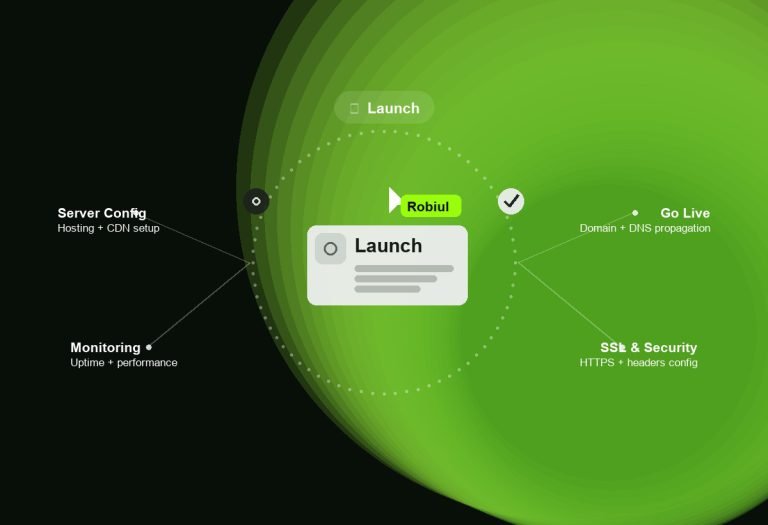
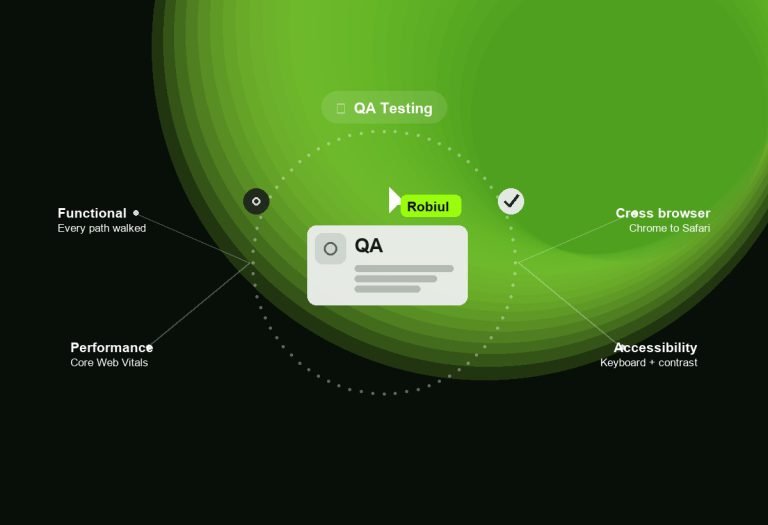
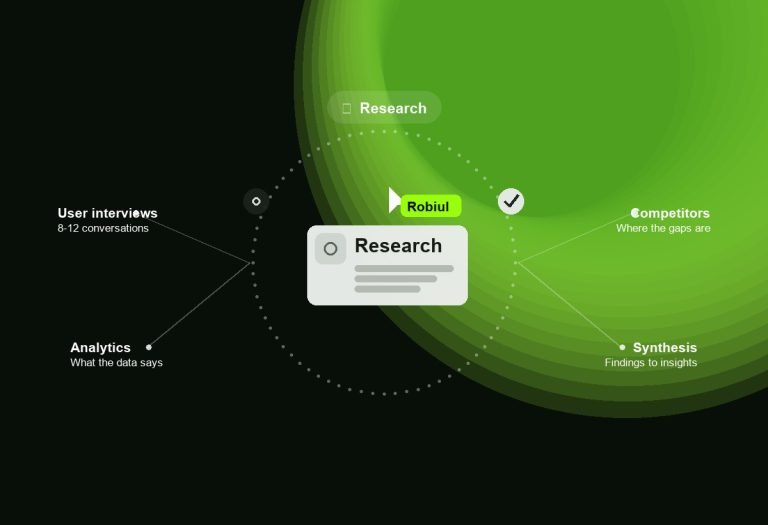
- Named stages with approval gates: direction, then layout, then visual design, then build. Each stage is signed off before the next starts.
- A defined number of rounds per stage — usually two is plenty when the stage before it was approved properly.
- A written definition of what a round is: one consolidated set of feedback, from one decision maker, returned within an agreed window.
- An hourly rate for anything beyond it, stated up front, so extra work is a choice rather than an argument.
- A clause covering changes of direction, so both sides know what happens if the brief moves.
What to ask before you buy
- What exactly counts as a revision, and what counts as a new concept?
- Is there a time limit on the revision period?
- Can we revisit a stage after approving it, and what does that cost?
- How many design directions do we see before we choose one?
- Who on our side is allowed to give feedback, and how should it be delivered?
Any team that answers those five plainly is offering you something more useful than “unlimited” — a process with a shape, where you can tell whether the project is on track.